


Hey there! As a supplier of fireproof aramid cloth, I've gotten a ton of questions about how our product holds up in corrosive environments. Today, I'm gonna dive deep into this topic and share what I know.

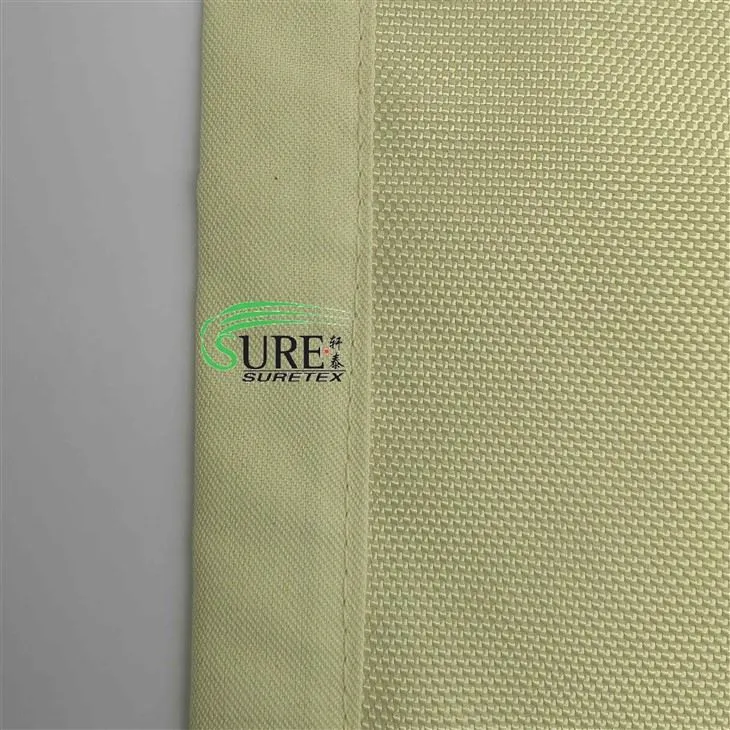
First off, let's talk a bit about aramid cloth. Aramid is a synthetic fiber known for its high strength, heat resistance, and excellent mechanical properties. Our Aramid Yarn Fabric, Aramid Filament Cloth, and Aramid Fiber Cloth are all made from this amazing material.
Chemical Resistance of Aramid Cloth
When it comes to corrosive environments, the chemical resistance of aramid cloth is a key factor. Aramid fibers have a relatively high resistance to many chemicals, including acids and alkalis. However, the level of resistance depends on several factors, such as the type of aramid, the concentration of the corrosive agent, the temperature, and the exposure time.
Resistance to Acids
Aramid cloth generally shows good resistance to weak acids. For example, in dilute sulfuric acid or hydrochloric acid solutions, the aramid fibers can maintain their integrity for a certain period. But when exposed to concentrated acids, especially at high temperatures, the situation changes. Concentrated acids can break the chemical bonds in the aramid fibers, leading to a decrease in strength and degradation of the cloth.
Let's say you have a piece of our aramid cloth and you expose it to a 10% sulfuric acid solution at room temperature. You'll notice that it doesn't show any significant changes in appearance or strength even after a few days. But if you increase the acid concentration to 50% and raise the temperature to 80°C, the cloth will start to deteriorate within a few hours. The fibers will become brittle, and the cloth may lose its flexibility and strength.
Resistance to Alkalis
Aramid cloth also has a certain degree of resistance to alkalis. In mild alkaline solutions, like a dilute sodium hydroxide solution, the aramid fibers can remain stable for a while. However, strong alkalis can also cause damage to the aramid fibers. High - concentration sodium hydroxide solutions, especially at elevated temperatures, can hydrolyze the aramid fibers, resulting in a loss of mechanical properties.
For instance, if you immerse our aramid cloth in a 5% sodium hydroxide solution at 25°C, it can withstand the exposure for a couple of days without major issues. But in a 30% sodium hydroxide solution at 60°C, the cloth will start to degrade rapidly. The fibers will become thinner, and the overall structure of the cloth may become loose.
Environmental Factors Affecting Corrosion Resistance
Apart from the type of corrosive agent, other environmental factors can also influence how aramid cloth behaves in a corrosive environment.
Temperature
Temperature plays a crucial role in the corrosion process. Higher temperatures accelerate chemical reactions, which means that the degradation of aramid cloth in a corrosive environment will be faster at elevated temperatures. For example, if you expose aramid cloth to a corrosive chemical at 20°C, it may take weeks or even months for significant damage to occur. But if you increase the temperature to 80°C, the same level of damage can happen within days or hours.
Humidity
Humidity can also affect the corrosion resistance of aramid cloth. In a humid environment, water can act as a medium for chemical reactions. It can help corrosive agents penetrate the fibers more easily, leading to faster degradation. Additionally, high humidity can cause the growth of mold and bacteria on the cloth, which can further damage its structure.
Exposure Time
The longer the aramid cloth is exposed to a corrosive environment, the more damage it will suffer. Even if the corrosive agent is relatively weak and the environmental conditions are not extreme, long - term exposure can still lead to a gradual loss of strength and integrity of the cloth.
Applications in Corrosive Environments
Despite the potential for damage in corrosive environments, our fireproof aramid cloth still has many applications in such settings.
Chemical Industry
In the chemical industry, workers often need to deal with various corrosive chemicals. Our aramid cloth can be used to make protective clothing, such as aprons, gloves, and suits. These protective garments provide a certain level of protection against chemical splashes and spills. Although they are not completely immune to corrosion, they can significantly reduce the risk of direct contact between the skin and corrosive chemicals.
Oil and Gas Industry
In the oil and gas industry, aramid cloth can be used for pipeline insulation and protection. Pipelines in this industry are often exposed to corrosive substances such as sulfur compounds and acidic gases. Our aramid cloth can act as a barrier, protecting the pipelines from corrosion and extending their service life.
How We Ensure Quality in Corrosive Environments
As a supplier, we take several measures to ensure that our fireproof aramid cloth can perform well in corrosive environments.
Material Selection
We carefully select the aramid fibers used in our cloth. We choose high - quality fibers with excellent chemical resistance properties. By using the best raw materials, we can improve the overall corrosion resistance of our products.
Coating Technology
We also use advanced coating technologies to enhance the corrosion resistance of our aramid cloth. These coatings can form a protective layer on the surface of the cloth, preventing corrosive agents from directly contacting the fibers. The coatings are designed to be durable and resistant to various chemicals, ensuring long - term protection.
Quality Control
We have a strict quality control system in place. Every batch of our aramid cloth undergoes rigorous testing before it is shipped to customers. We test the cloth's resistance to different corrosive agents under various conditions to ensure that it meets our high - quality standards.
Conclusion
So, in conclusion, fireproof aramid cloth has a certain degree of resistance to corrosive environments, but its performance depends on many factors. While it can withstand mild corrosive conditions, it may degrade in the presence of strong acids, alkalis, high temperatures, and long - term exposure. However, with proper material selection, coating technology, and quality control, we can provide aramid cloth that can perform well in many corrosive applications.
If you're interested in our fireproof aramid cloth and want to know more about how it can work in your specific corrosive environment, feel free to contact us for a discussion. We're always happy to help you find the best solution for your needs.
References
- "Handbook of Fiber Chemistry" by Menachem Lewin
- "Advanced Fibers and Polymer Composites for Civil Engineering Applications" by Vistasp M. Karbhari


