


Determining the quality grade of aramid sewing yarn is crucial for both suppliers and customers. As a supplier of Aramid Sewing Yarn, I understand the significance of providing high - quality products to meet the diverse needs of different industries. In this blog, I will share some key factors and methods to determine the quality grade of aramid sewing yarn.
1. Material Purity
The purity of the aramid material is the foundation of high - quality aramid sewing yarn. Aramid fibers are known for their excellent heat resistance, high strength, and chemical stability. Impurities in the aramid material can significantly affect the performance of the sewing yarn.
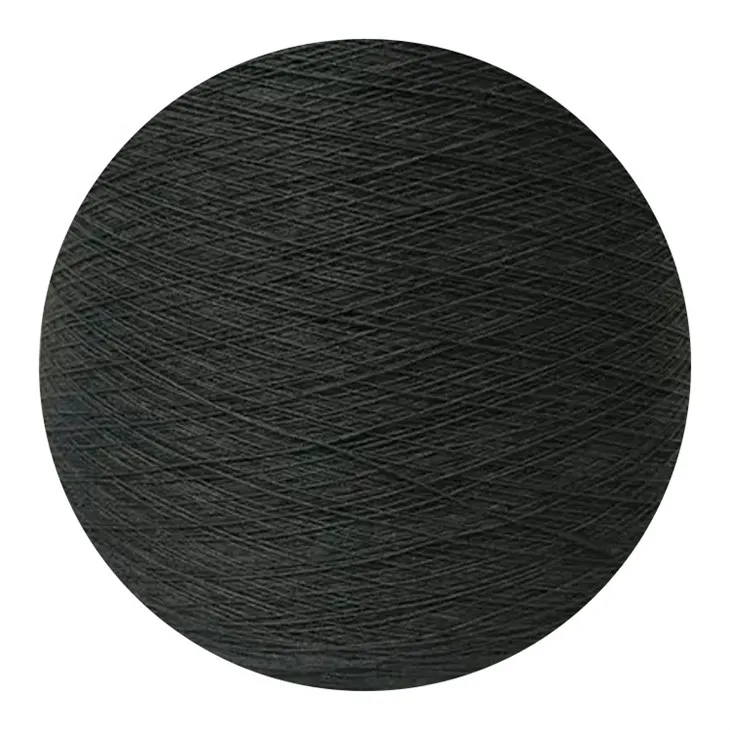
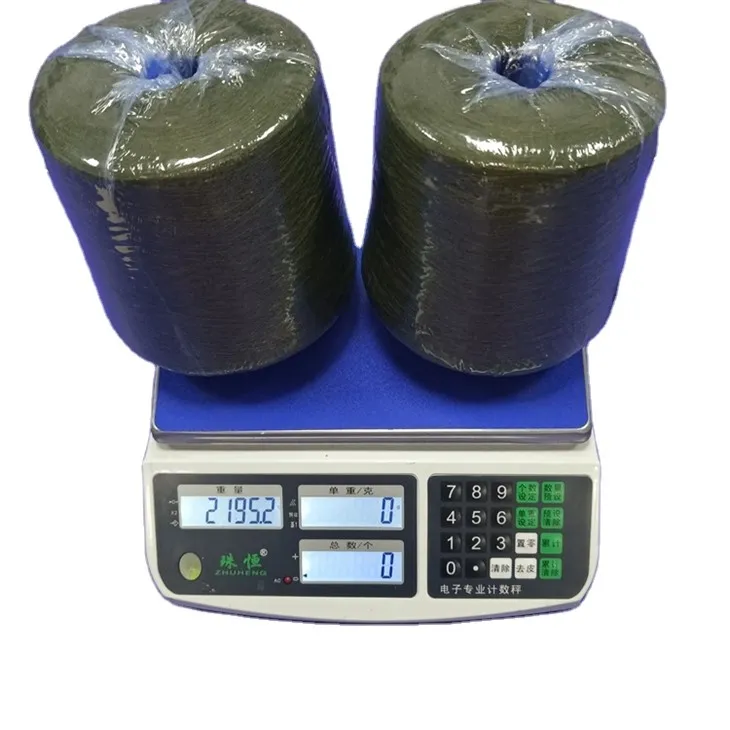
To assess the purity of the aramid material, suppliers often use advanced testing techniques such as spectroscopy. This method can accurately identify the chemical composition of the aramid fibers and detect any trace impurities. A high - quality aramid sewing yarn should have a high percentage of pure aramid fibers, usually above 95%. Any deviation from this standard may indicate a lower quality grade.
2. Tensile Strength
Tensile strength is one of the most important performance indicators of aramid sewing yarn. It measures the maximum amount of tensile force that the yarn can withstand before breaking. High - strength aramid sewing yarn is essential for applications that require durability and reliability, such as Firefighting Protective Clothing Aramid Yarn.
To determine the tensile strength of aramid sewing yarn, we use a tensile testing machine. The yarn is clamped at both ends, and a gradually increasing tensile force is applied until it breaks. The maximum force recorded during the test is the tensile strength of the yarn. Generally, high - quality aramid sewing yarn should have a tensile strength of at least 20 grams per denier.
3. Elongation at Break
Elongation at break refers to the percentage increase in the length of the aramid sewing yarn when it breaks under tensile force. It reflects the flexibility and ductility of the yarn. A suitable elongation at break is important for the sewing process, as it allows the yarn to adapt to different sewing operations without breaking easily.
We measure the elongation at break using the same tensile testing machine. By comparing the original length of the yarn with its length at the moment of breakage, we can calculate the elongation at break percentage. For aramid sewing yarn, an elongation at break of around 3% - 5% is considered ideal. If the elongation at break is too low, the yarn may be too brittle; if it is too high, the yarn may lose its strength.
4. Heat Resistance
Aramid fibers are well - known for their excellent heat resistance, which makes aramid sewing yarn suitable for high - temperature applications. To determine the heat resistance of aramid sewing yarn, we conduct a heat - resistance test.
The yarn is exposed to a specific high - temperature environment for a certain period of time, and then its physical and mechanical properties are measured. A high - quality aramid sewing yarn should be able to maintain its strength and structure at temperatures up to 500°C. If the yarn shows significant degradation in performance after the heat - resistance test, it may be of a lower quality grade.
5. Colorfastness
Colorfastness is an important factor, especially for Black Aramid Yarn. It refers to the ability of the yarn to retain its color under various environmental conditions, such as washing, sunlight exposure, and friction.
We test colorfastness using standard methods. For example, the yarn is washed multiple times according to a specific washing procedure, and then the color change is evaluated using a color - difference meter. High - quality aramid sewing yarn should have excellent colorfastness, with minimal color fading or bleeding.
6. Yarn Uniformity
Yarn uniformity includes two aspects: linear density uniformity and twist uniformity. Linear density uniformity refers to the consistency of the yarn's thickness along its length. Twist uniformity refers to the evenness of the twist in the yarn.
We use specialized instruments to measure linear density and twist. A high - quality aramid sewing yarn should have a uniform linear density and twist, which ensures smooth sewing operations and consistent performance. Uneven linear density or twist can lead to problems such as yarn breakage, uneven stitches, and poor appearance.
7. Surface Smoothness
The surface smoothness of aramid sewing yarn affects its sewing performance. A smooth - surfaced yarn can pass through the sewing machine more easily, reducing friction and the risk of breakage.
We visually inspect the surface of the yarn under a microscope and also use tactile evaluation. High - quality aramid sewing yarn should have a smooth and clean surface, without any obvious bumps, knots, or impurities.
8. Moisture Absorption
Moisture absorption can affect the performance of aramid sewing yarn. Excessive moisture absorption can lead to a decrease in strength and an increase in the risk of mildew.
We measure the moisture absorption of the yarn by weighing it before and after exposure to a controlled - humidity environment. High - quality aramid sewing yarn should have low moisture absorption, typically less than 5%.
Conclusion
Determining the quality grade of aramid sewing yarn requires a comprehensive assessment of multiple factors, including material purity, tensile strength, elongation at break, heat resistance, colorfastness, yarn uniformity, surface smoothness, and moisture absorption. As a supplier, we are committed to providing high - quality aramid sewing yarn that meets or exceeds industry standards.
If you are interested in our Aramid Sewing Yarn products and would like to discuss your specific requirements, please feel free to contact us for procurement and negotiation. We look forward to working with you to meet your needs with our high - quality products.
References
- ASTM International. Standard test methods for various properties of textile fibers and yarns.
- ISO standards related to aramid fibers and sewing yarns.
- Technical literature from leading aramid fiber manufacturers.


