


Hey there! As a supplier of Crimp Aramid Fiber, I've seen firsthand how crucial proper storage is for maintaining the quality of this amazing material. Crimp Aramid Fiber is known for its high strength, heat resistance, and excellent chemical stability, making it a popular choice in various industries, from aerospace to automotive. But if you don't store it right, you could end up compromising its performance. So, let's dive into how to store Crimp Aramid Fiber properly.
Understanding Crimp Aramid Fiber
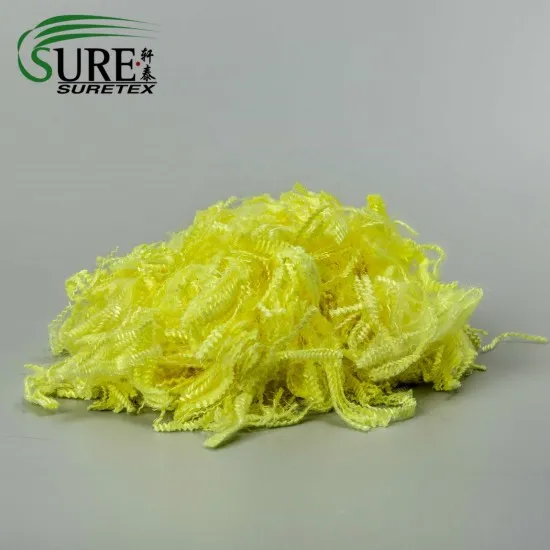
Before we get into storage, let's quickly go over what Crimp Aramid Fiber is. It's a type of synthetic fiber that has a crimped structure, which gives it better cohesion and handling properties compared to straight fibers. This fiber is used in a wide range of applications, such as reinforcement in composites, friction materials, and protective clothing. You can check out our Crimp Aramid Fiber product page for more details.
The Impact of Improper Storage
Improper storage can have a significant impact on the quality of Crimp Aramid Fiber. Exposure to moisture, extreme temperatures, and sunlight can cause the fiber to degrade, lose its strength, and become less effective in its intended applications. For example, if the fiber gets wet, it can lead to mold growth and weaken the fiber structure. High temperatures can also cause the fiber to become brittle and break more easily. That's why it's so important to store it correctly.
Ideal Storage Conditions
Temperature
The ideal temperature for storing Crimp Aramid Fiber is between 20°C and 30°C (68°F - 86°F). This range helps to maintain the fiber's physical properties and prevent any thermal degradation. Avoid storing the fiber in areas that are too hot or too cold, such as near heating vents or in unheated storage sheds. Extreme temperatures can cause the fiber to expand or contract, which can lead to damage over time.

Humidity
Humidity is another critical factor. The relative humidity should be kept between 40% and 60%. High humidity can cause the fiber to absorb moisture, which can lead to mold growth and a decrease in strength. On the other hand, low humidity can make the fiber brittle. To control humidity, you can use dehumidifiers or humidifiers in the storage area, depending on the local climate.
Light Exposure
Crimp Aramid Fiber should be stored in a dark or low-light environment. Prolonged exposure to sunlight, especially ultraviolet (UV) rays, can cause the fiber to degrade and lose its color. UV rays can break down the chemical bonds in the fiber, reducing its strength and durability. So, store the fiber in opaque containers or in a storage room with limited sunlight exposure.
Storage Containers
Sealed Containers
Using sealed containers is essential for protecting Crimp Aramid Fiber from moisture, dust, and other contaminants. Plastic bags or airtight containers made of high - density polyethylene (HDPE) are great options. Make sure the containers are clean and dry before storing the fiber. You can also add desiccant packets to absorb any excess moisture inside the container.
Pallets and Racks
When storing large quantities of Crimp Aramid Fiber, use pallets and racks. This helps to keep the fiber off the ground, preventing it from getting wet or damaged. Make sure the pallets and racks are sturdy and in good condition. Stack the containers neatly on the pallets to avoid any toppling or crushing.
Handling During Storage
Avoid Rough Handling
When moving or handling the stored Crimp Aramid Fiber, be gentle. Rough handling can cause the fiber to break or become tangled. Use proper lifting equipment, such as forklifts or pallet jacks, when moving large containers. Avoid dropping or throwing the containers, as this can damage the fiber inside.
Regular Inspections
Regularly inspect the stored Crimp Aramid Fiber for any signs of damage, such as moisture, mold, or breakage. Check the containers for any leaks or signs of wear. If you notice any issues, take immediate action to address them. For example, if you find mold on the fiber, remove the affected parts and adjust the storage conditions to prevent further growth.
Long - Term Storage
If you need to store Crimp Aramid Fiber for an extended period, there are a few additional considerations. First, make sure to label the containers with the storage date and any other relevant information, such as the batch number. This will help you keep track of the fiber's age and ensure that you use the oldest stock first.
Second, consider periodic re - inspection and rotation of the stock. This helps to ensure that all the fiber is in good condition and that none of it is sitting in storage for too long. You can also perform some basic quality checks on a sample of the fiber from time to time to make sure it still meets the required specifications.
Related Products and Their Storage
We also offer other types of aramid fibers, such as High Strength Aramid Staple Fiber and 100% Meta Aramid Staple Fiber. The storage requirements for these fibers are similar to those of Crimp Aramid Fiber. However, it's always a good idea to check the specific product information for any unique storage recommendations.
Conclusion
Proper storage of Crimp Aramid Fiber is essential for maintaining its quality and performance. By following the guidelines on temperature, humidity, light exposure, and handling, you can ensure that your fiber stays in top condition for as long as possible. Whether you're using it for a small project or a large - scale industrial application, taking the time to store it correctly will save you time and money in the long run.
If you're interested in purchasing Crimp Aramid Fiber or any of our other aramid products, feel free to reach out to us for more information and to start a procurement discussion. We're here to help you find the right fiber for your needs and ensure that you get the best value for your money.
References
- ASTM International standards on synthetic fiber storage.
- Industry best practices for aramid fiber storage and handling.


