


When it comes to the world of high - performance fibers, aramid yarns stand out as a top choice for a wide range of applications. As a supplier of aramid dyed yarn, I often get asked about the cost comparison between aramid dyed yarn and undyed yarn. In this blog, I'll delve into the factors that contribute to the cost differences and help you understand what you're paying for when you choose one over the other.
Understanding Aramid Yarn
Aramid is a synthetic fiber known for its exceptional strength, heat resistance, and low weight. It has found its way into numerous industries, including aerospace, automotive, protective clothing, and sports equipment. Undyed aramid yarn typically has a natural golden - yellow color. This undyed version is often used in applications where the natural properties of the fiber are the primary concern, and the color doesn't matter much.
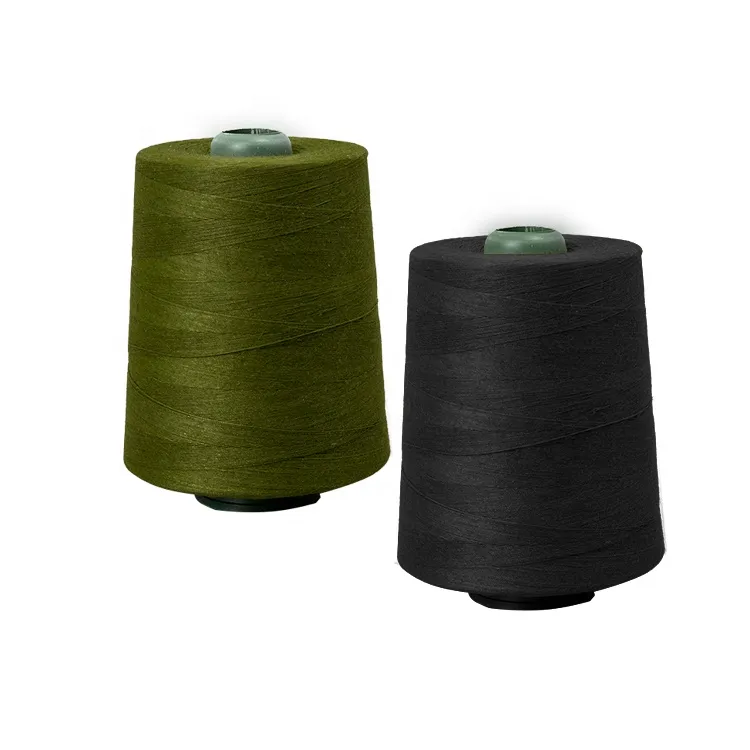
On the other hand, dyed aramid yarn, such as the [Coloured Aramid Fiber Yarn](/aramid - yarn/coloured - aramid - fiber - yarn.html), offers the same high - performance characteristics but with the added benefit of a customized color. This can be crucial in applications where branding, safety coding, or aesthetic appeal is important.
Factors Affecting the Cost of Aramid Yarn
Raw Material Costs
The base cost of aramid fiber forms the foundation of the yarn's price. Whether it's dyed or undyed, the initial production of aramid fiber involves complex chemical processes and the use of high - quality raw materials. However, the cost of these raw materials is the same for both types of yarn at this stage.
Dyeing Process
The most significant factor contributing to the cost difference between dyed and undyed aramid yarn is the dyeing process. Aramid fibers are notoriously difficult to dye due to their high chemical resistance. Specialized dyes and techniques are required to achieve a consistent and long - lasting color.
First, the yarn needs to be pre - treated to make it receptive to the dye. This pre - treatment can involve chemical processes that alter the surface properties of the fiber without compromising its strength and other performance characteristics. Then, the actual dyeing process takes place, which requires careful control of temperature, pressure, and dye concentration to ensure an even color distribution.
The dyes used for aramid fibers are also expensive. They need to be able to withstand high temperatures, harsh chemicals, and mechanical stress, which means they are often formulated with advanced chemical compounds. All these factors add to the cost of producing dyed aramid yarn.
Quality Control
Quality control is a critical aspect of yarn production, and it becomes even more stringent when dealing with dyed aramid yarn. The color consistency of the dyed yarn is of utmost importance, especially for applications where color - coding is used for safety or identification purposes.
Manufacturers need to conduct multiple tests during and after the dyeing process to ensure that the color meets the specified standards. This includes colorfastness tests, which measure how well the dye adheres to the fiber under different conditions such as washing, exposure to sunlight, and friction. These additional quality control measures increase the overall cost of the dyed yarn.
Market Demand
Market demand also plays a role in the cost of aramid yarn. Undyed aramid yarn has a broader market base as it can be used in a wider range of applications without the need for color customization. This higher demand can sometimes lead to economies of scale in production, resulting in a lower cost per unit.
In contrast, the demand for dyed aramid yarn is more niche, often driven by specific customer requirements. The lower volume of production can lead to higher costs as manufacturers may not be able to take advantage of the same economies of scale.
Cost Comparison in Different Applications
Protective Clothing
In the protective clothing industry, both undyed and dyed aramid yarns are used. Undyed aramid yarn is commonly used in the lining of firefighter suits and bullet - proof vests, where the focus is on the fiber's strength and heat resistance. Dyed aramid yarn, on the other hand, can be used in the outer layers of these suits for branding or to distinguish different levels of protection.
The cost difference between the two can be significant. A manufacturer may choose undyed yarn for the inner layers to keep costs down, while using dyed yarn sparingly on the outer layers where the color is more visible.
Aerospace and Automotive
In aerospace and automotive applications, aramid yarn is used for reinforcement purposes. Undyed aramid yarn is often the default choice due to its cost - effectiveness. However, in some cases, dyed aramid yarn may be used for parts where color - coding is necessary for assembly or maintenance.
For example, in an aircraft engine, different types of aramid - reinforced components may be color - coded to indicate their function or the level of stress they can withstand. The cost of using dyed yarn in these applications needs to be weighed against the benefits of easier identification and maintenance.
Sewing Applications
[Aramid Sewing Yarn](/aramid - yarn/aramid - sewing - yarn.html) is another area where the cost difference between dyed and undyed yarn is relevant. Undyed aramid sewing yarn is commonly used in industrial sewing applications where the color is not a concern. Dyed aramid sewing yarn, however, can be used in applications such as sewing protective clothing or high - end sports equipment where the appearance matters.
The cost of dyed aramid sewing yarn is higher, but it may be justified in cases where the end - product requires a specific color for aesthetic or functional reasons.
Making the Right Choice
When deciding between aramid dyed yarn and undyed yarn, it's essential to consider your specific requirements. If color is not a factor and cost is a primary concern, undyed yarn may be the best option. However, if you need a customized color for branding, safety, or aesthetic reasons, then the additional cost of dyed yarn may be worth it.
As a supplier of aramid dyed yarn, I understand the importance of finding the right balance between cost and performance. We offer a wide range of [FR Aramid Yarn](/aramid - yarn/fr - aramid - yarn.html) in both dyed and undyed options to meet the diverse needs of our customers.

If you're interested in learning more about our aramid yarn products or would like to discuss your specific requirements, I encourage you to reach out to us for a detailed quote and to start a procurement negotiation. We're committed to providing high - quality products at competitive prices and ensuring that you get the best value for your investment.
References
- “Aramid Fibers: Structure, Properties, and Applications” by M. Lewin
- “High - Performance Fibers” edited by W. A. Turley and S. B. Batdorf
- Industry reports on aramid fiber production and market trends.


