


Aramid thread is a remarkable material known for its exceptional properties, and one of its most notable features is its ability to handle friction. As a supplier of high - quality aramid thread, I've witnessed firsthand how this material performs under various frictional conditions. In this blog, we'll delve into the science behind how aramid thread manages friction and explore its implications for different applications.
Understanding Aramid Thread
Aramid is a synthetic fiber that belongs to the family of polyamides. It is characterized by its high strength, heat resistance, and excellent chemical stability. There are two main types of aramid fibers: meta - aramid and para - aramid. Meta - aramid fibers, such as Nomex, are known for their good heat and flame resistance, while para - aramid fibers, like Kevlar, are renowned for their extremely high tensile strength.
Our 100% Para Aramid Sewing Threads are made from para - aramid fibers, which offer superior mechanical properties. These threads are used in a wide range of industries, from aerospace and automotive to protective clothing and sports equipment.
The Science of Friction and Aramid Thread
Friction is the force that resists the relative motion of two surfaces in contact. When aramid thread is subjected to friction, several factors come into play that determine how well it can handle the stress.
Molecular Structure
The molecular structure of aramid fibers is highly oriented, with long, parallel chains of polymers. This alignment gives the fibers their high strength and stiffness. When friction occurs, the strong intermolecular forces within the aramid fibers help to distribute the stress evenly along the length of the fiber. The tightly packed polymer chains prevent the fibers from easily deforming or breaking under frictional forces.
For example, in a sewing application where the aramid thread passes through a needle and rubs against the fabric, the molecular structure allows the thread to maintain its integrity. It doesn't fray or break easily, even when exposed to repeated frictional stress during the sewing process.
Surface Properties
The surface of aramid thread also plays a crucial role in handling friction. The smooth surface of the thread reduces the coefficient of friction when it comes into contact with other materials. A lower coefficient of friction means less resistance to motion, which in turn reduces the wear and tear on the thread.
Our Aramid Stitch Thread has been engineered to have an optimized surface finish. This smooth surface not only helps in reducing friction during sewing but also makes it easier to pass through fabrics without causing excessive damage to the material.
Heat Resistance
Friction often generates heat, and aramid thread's excellent heat resistance is a significant advantage. When the thread is subjected to high - friction conditions, the heat generated can be dissipated effectively due to the high thermal stability of aramid fibers.
In applications such as braking systems in the automotive or aerospace industries, aramid thread is used because it can withstand the high temperatures generated by friction. The heat resistance prevents the thread from melting or degrading, ensuring the long - term performance of the component.
Applications of Aramid Thread Based on Its Friction - Handling Ability
Protective Clothing
In the field of protective clothing, aramid thread is widely used in the manufacturing of fire - resistant and cut - resistant garments. When workers are exposed to sharp objects or high - heat environments, the thread's ability to handle friction is crucial.
For example, in cut - resistant gloves, the aramid thread is used to stitch the layers of protective material together. The thread can withstand the friction caused by repeated contact with sharp edges without breaking, providing long - lasting protection for the wearer. Our Black Aramid Thread is a popular choice for such applications due to its high strength and durability.
Aerospace and Automotive Industries
In the aerospace and automotive sectors, aramid thread is used in various components where friction is a concern. In aircraft interiors, the thread is used to sew seat covers and other upholstery. The high - friction environment caused by passengers moving in and out of seats requires a thread that can withstand wear and tear.
In automotive applications, aramid thread is used in the manufacturing of airbags. The thread must be able to handle the friction generated during the rapid deployment of the airbag, ensuring that the seams remain intact and the airbag functions properly.
Sports Equipment
Sports equipment manufacturers also rely on aramid thread for its friction - handling capabilities. In the production of tennis rackets, for example, the thread is used to secure the strings. The constant impact of the ball on the strings creates a high - friction environment, and the aramid thread can withstand this stress without losing its strength.
Testing and Quality Assurance
As a supplier of aramid thread, we understand the importance of ensuring that our products meet the highest quality standards. We conduct a series of tests to evaluate the thread's ability to handle friction.
One of the common tests is the abrasion test, where the thread is rubbed against a rough surface for a specified number of cycles. We measure the weight loss and the change in strength of the thread after the test. This helps us to determine the thread's resistance to friction and wear.
We also perform tensile tests before and after the abrasion test to ensure that the thread maintains its mechanical properties. By conducting these tests regularly, we can guarantee that our aramid thread will perform reliably in real - world applications.
Conclusion
Aramid thread's ability to handle friction is a result of its unique molecular structure, surface properties, and heat resistance. These characteristics make it an ideal choice for a wide range of applications, from protective clothing to high - performance aerospace components.

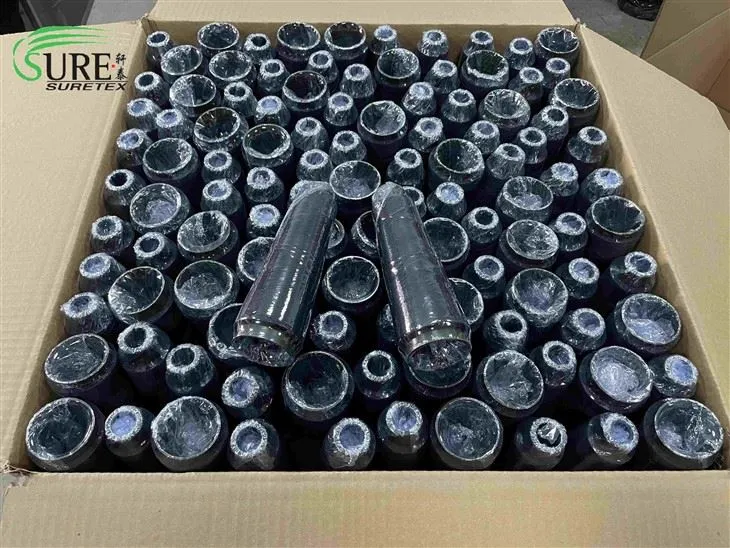
If you're in need of high - quality aramid thread for your specific application, we're here to help. Our team of experts can provide you with detailed information about our products and assist you in selecting the right thread for your needs. Whether you're a small - scale manufacturer or a large - scale industrial enterprise, we can offer you the best solutions. Contact us today to start a discussion about your aramid thread requirements and let's explore how our products can enhance the performance of your applications.
References
- Callister, W. D., & Rethwisch, D. G. (2011). Materials Science and Engineering: An Introduction. Wiley.
- Mark, J. E. (Ed.). (2007). Physical Properties of Polymers Handbook. Springer.


