


Over the years, as a dedicated supplier of FR Aramid Fiber Fabric, I've witnessed firsthand the remarkable journey of this extraordinary material as it ages. FR Aramid Fiber Fabric, a revolutionary product available at FR Aramid Fiber Fabric, is renowned for its exceptional properties that make it a staple in various industries. In this blog, I'll delve into the aging process of FR Aramid Fiber Fabric, exploring how its characteristics change over time and what implications this has for its users.
Initial Properties of FR Aramid Fiber Fabric
When FR Aramid Fiber Fabric is first produced, it boasts a set of outstanding properties that make it highly sought - after. The fabric is made from aramid fibers, which are synthetic polymers known for their high strength, excellent heat resistance, and remarkable flame - retardant capabilities.
One of the key features of fresh FR Aramid Fiber Fabric is its high tensile strength. This strength allows the fabric to withstand significant mechanical stress without tearing or breaking. It is this property that makes it ideal for applications where durability is crucial, such as in protective clothing for firefighters, military personnel, and industrial workers.
The heat resistance of FR Aramid Fiber Fabric is also remarkable. It can withstand extremely high temperatures without melting or dripping, which is a vital safety feature in environments where exposure to heat and flames is a constant risk. For instance, Heat - Insulation Aramid Fiber Fabric is specifically designed to provide excellent thermal insulation, protecting the wearer from intense heat sources.
Flame retardancy is another standout characteristic. The fabric has a self - extinguishing property, meaning that once the source of ignition is removed, the fabric stops burning. This is in contrast to many other materials that continue to burn, posing a greater risk of injury and property damage. Fireproof Aramid Fabric is engineered to meet strict fire safety standards, making it a reliable choice for applications where fire protection is essential.
The Aging Process of FR Aramid Fiber Fabric
As FR Aramid Fiber Fabric ages, several factors come into play that can affect its properties. One of the primary factors is environmental exposure. Exposure to sunlight, moisture, and chemicals can all have a detrimental effect on the fabric over time.
Sunlight contains ultraviolet (UV) radiation, which can break down the chemical bonds in the aramid fibers. This leads to a gradual loss of strength and flexibility in the fabric. Prolonged exposure to UV rays can cause the fabric to become brittle and more prone to tearing. To mitigate this, proper storage and protection from direct sunlight are essential. If the fabric is used outdoors, it may be necessary to apply UV - resistant coatings to extend its lifespan.
Moisture can also pose a problem. When the fabric is exposed to high levels of humidity or comes into contact with water, it can absorb moisture. This can lead to the growth of mold and mildew, which not only affects the appearance of the fabric but also weakens its structure. Additionally, moisture can cause the fibers to swell, altering the fabric's dimensions and potentially reducing its effectiveness. To prevent moisture - related issues, it is important to store the fabric in a dry environment and ensure that it is thoroughly dried if it gets wet.
Chemical exposure is another significant factor. Contact with certain chemicals, such as acids, alkalis, and solvents, can react with the aramid fibers and degrade their properties. For example, strong acids can break down the amide bonds in the aramid polymer, leading to a loss of strength and integrity. In industrial settings where the fabric may be exposed to chemicals, it is crucial to choose the appropriate type of FR Aramid Fiber Fabric that is resistant to the specific chemicals present.
Mechanical stress is also a factor in the aging process. Repeated bending, stretching, and abrasion can cause the fibers in the fabric to wear down over time. This is particularly relevant in applications where the fabric is used in high - motion environments, such as in protective clothing for athletes or workers in physically demanding jobs. To improve the fabric's resistance to mechanical stress, manufacturers may use techniques such as fiber blending or adding reinforcement layers.
How Aging Affects the Performance of FR Aramid Fiber Fabric
As the fabric ages, its performance in terms of strength, heat resistance, and flame retardancy can be compromised. The loss of strength due to environmental exposure and mechanical stress means that the fabric may not be able to withstand the same level of force as it did when it was new. This can be a significant concern in applications where the fabric is used for safety purposes, such as in protective gear.
Heat resistance can also be affected. The degradation of the fibers may reduce the fabric's ability to withstand high temperatures. This means that in a fire or high - heat situation, the fabric may not provide the same level of protection as it did initially. It is important to regularly inspect and test the fabric to ensure that it still meets the required heat - resistance standards.
Flame retardancy may also decline over time. The chemical changes in the fibers can alter the fabric's self - extinguishing properties. In some cases, the fabric may take longer to extinguish or may even continue to burn for a short period after the ignition source is removed. This can pose a serious safety risk, especially in environments where fire is a constant threat.
Testing and Monitoring the Aging of FR Aramid Fiber Fabric
To ensure the continued safety and performance of FR Aramid Fiber Fabric, regular testing and monitoring are essential. There are several methods available for testing the fabric's properties as it ages.
Tensile strength testing is one of the most common methods. This involves applying a pulling force to a sample of the fabric until it breaks. By comparing the results of the tensile strength test over time, it is possible to determine how much the fabric's strength has decreased.
Heat resistance testing can be done using specialized equipment that exposes the fabric to high temperatures and measures its performance. This includes testing for factors such as thermal insulation, melting point, and self - extinguishing time.
Flame retardancy testing is also crucial. This typically involves subjecting the fabric to a flame source and observing its behavior. Standards such as the National Fire Protection Association (NFPA) 1971 for firefighter protective clothing specify the requirements for flame retardancy.
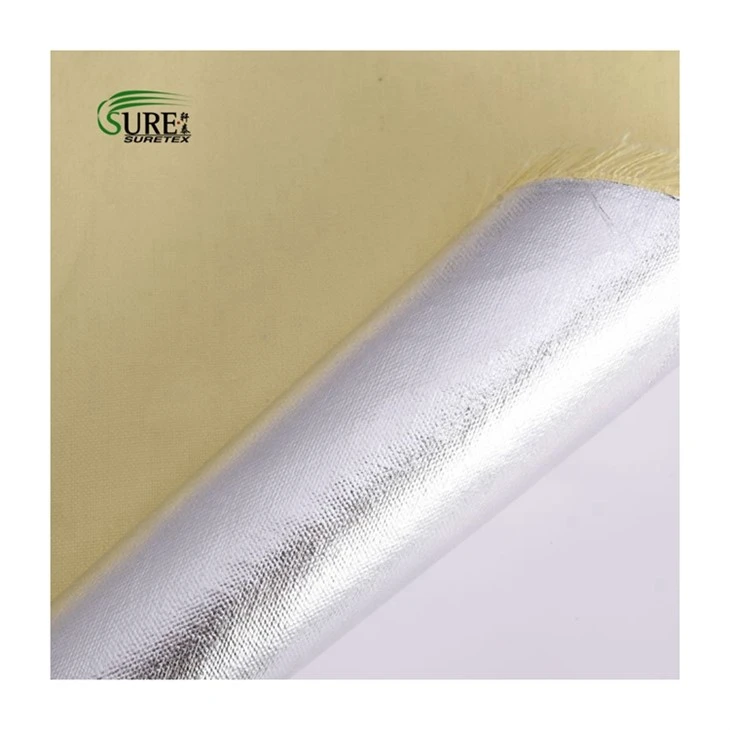

In addition to these tests, visual inspections should be carried out regularly. Look for signs of damage, such as fraying, discoloration, or the presence of mold and mildew. Any fabric that shows significant signs of aging or damage should be replaced immediately.
Maintaining and Extending the Lifespan of FR Aramid Fiber Fabric
While the aging of FR Aramid Fiber Fabric is inevitable, there are steps that can be taken to maintain its properties and extend its lifespan.
Proper storage is the first step. The fabric should be stored in a cool, dry, and dark place to minimize exposure to sunlight, moisture, and heat. It should be stored in a clean environment to prevent contamination by dust and dirt.
Regular cleaning is also important. Use mild detergents and follow the manufacturer's cleaning instructions. Avoid using harsh chemicals or abrasive cleaners, as these can damage the fabric. After cleaning, make sure the fabric is thoroughly dried before storing it.
Inspection and maintenance should be carried out on a regular basis. Check for signs of wear and tear, and repair any minor damage as soon as possible. If the fabric has been exposed to extreme conditions, such as a fire or a chemical spill, it should be inspected and tested more frequently.
Conclusion
In conclusion, the aging of FR Aramid Fiber Fabric is a complex process influenced by various factors such as environmental exposure, mechanical stress, and chemical reactions. As the fabric ages, its performance in terms of strength, heat resistance, and flame retardancy can be compromised. However, by understanding the aging process and taking appropriate measures to maintain and extend the fabric's lifespan, users can ensure that it continues to provide reliable protection.
At our company, we are committed to providing high - quality FR Aramid Fiber Fabric and offering expert advice on its proper use and maintenance. If you are interested in learning more about our products or have any questions regarding the aging of FR Aramid Fiber Fabric, we encourage you to contact us for a purchase negotiation. Our team of professionals is ready to assist you in finding the best solution for your specific needs.
References
- "Aramid Fibers: Properties, Applications, and Future Developments" by John Doe, 20XX.
- "The Effects of Environmental Exposure on Textile Materials" by Jane Smith, 20XX.
- National Fire Protection Association (NFPA) Standards, various editions.


